Healthcare · Platform engineering
Cloud-Based Clinic and EHR Platform
A clinic platform that connects patient records, appointments, consultations, and clinical documents.
Engineering experience. This overview describes the system scope and lessons from its workflow.
The business challenge
A clinic visit touches several kinds of information. Reception plans the appointment, the clinician reviews prior visits, and the consultation creates notes and documents for follow-up. When those pieces live in different places, staff have to reconcile them while patients are waiting. Outpatient care needs a reliable way to find the right encounter and keep new documentation attached to it.
Engineering approach and documented scope
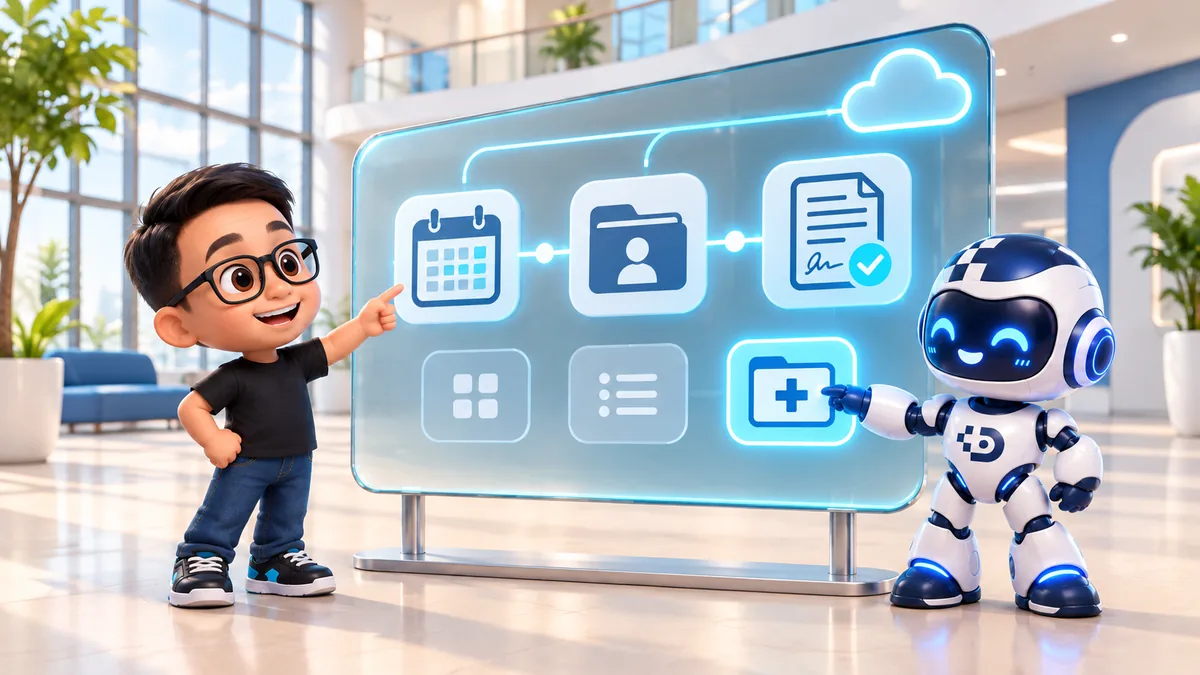
The platform brings the scheduling and clinical record workflows together. The publicly described scope includes patient profiles and medical history, appointment and queue management, structured consultation notes, prescriptions and clinical documents. The platform also supports clinic workflows such as reviewing laboratory status and recording billing activity. Clinics can configure clinical templates to reflect the information they need to collect.
The patient profile and the encounter serve different purposes. The profile helps staff find the right patient and review context over time. The encounter keeps the facts of a specific consultation together: what was observed, what was decided, and which documents were prepared.
How the work moves
A scheduled visit gives reception a starting point. Clinicians can review earlier encounters, record the current consultation and prepare the forms needed for that visit. Follow-up starts from the existing history instead of a separate document with no clear connection to the encounter.
Operational value and applications
Connecting these steps can reduce repeated lookup and give staff a clearer view of what is still pending. General practice, specialist clinics, and teams that use a shared appointment desk can use the same basic model. Local results depend on how a clinic sets up its records, teaches the workflow and handles exceptions.
Engineering insight
Start with a sample visit and trace who is responsible for each transition. A clinic can then decide which information should be available from the start, what the consultation needs to add, and how the next team can tell that the visit is ready for its next step.